



















IMG_2633
Welcome to the Global Chamber of Commerce and Industry

Your Gateway To a World Of Opportunities

The Global Chamber of Commerce and Industry represents a pivotal gateway to a world brimming with opportunities. As an organization, it plays a critical role in facilitating international trade and investment, connecting businesses across borders, and fostering economic growth. The Chamber serves as a platform for networking, providing its members access to a diverse global network of entrepreneurs, business leaders, and policy makers. Through its various initiatives, it helps companies navigate the complexities of international markets, offering resources and insights on local business climates, regulatory environments, and cultural nuances. This organization is instrumental in advocating for fair trade policies, promoting sustainable business practices, and encouraging innovation, thereby empowering businesses to thrive in a globally interconnected economy.

Mission Statement

Connectivity and Networking: To provide a dynamic platform for businesses, entrepreneurs, and industry leaders worldwide to connect, collaborate, and build lasting partnerships, enhancing global trade and investment opportunities.

Advocacy and Influence: To represent the interests of the international business community, advocating for policies and practices that promote fair trade, open markets, harmonised regulatory regime and a competitive global economy.

Knowledge and Expertise: To offer comprehensive resources, insights, and guidance on international trade, helping businesses navigate complex global markets, understand regulatory landscapes, and embrace cultural diversity.

Innovation and Sustainability: To encourage innovation and sustainable business practices, supporting the growth of environmentally and socially responsible enterprises that contribute positively to global challenges.

Economic Development and Support: To assist in the development of emerging markets, fostering economic growth and stability,  helping to reduce global poverty and inequality through inclusive commerce.

Education and Training: To provide educational programs and training workshops aimed at enhancing the skills and knowledge of business professionals in international trade and commerce, ensuring a skilled workforce for the future.

Vision Statement

Global Integration:  A future where businesses around the world are seamlessly interconnected, with free-flowing trade and investment crossing borders effortlessly, contributing to a truly globalized economy across the globe.

Economic Inclusivity: A commitment to leveling the playing field, where small and medium-sized enterprises (SMEs), as well as larger corporations, have equal access to resources, markets, and growth opportunities.

Sustainable Development: Championing a sustainable business ethos that balances economic growth with environmental stewardship and social responsibility, contributing to the United Nations Sustainable Development Goals (SDGs).

Innovation-Driven Commerce: Fostering a global business landscape that is driven by innovation, encouraging the adoption of cutting-edge technologies and practices that revolutionize how we do business on a global platform.

Cultural and Economic Synergy: Promoting a deep understanding and appreciation of cultural diversity in business, leading to more robust, culturally-informed economic strategies and practices.

Empowerment through Knowledge and Education: Empowering businesses and individuals through education, training, and knowledge-sharing, ensuring that the workforce of tomorrow is equipped for the challenges and opportunities of a globalized market.

Core Values

Global Collaboration

We believe in the power of collaboration across borders, cultures, and industries to drive innovation and prosperity worldwide among all sectors.

Inclusivity

We champion diversity and inclusivity, ensuring that all businesses, regardless of size, sector, or location, have equal access to opportunities and resources.

Knowledge Sharing

We believe in the power of knowledge and information sharing, providing our members with the tools and insights needed to make informed decisions and stay competitive

Community

We foster a sense of community and camaraderie among our members, creating a supportive network that promotes personal and professional growth.

Integrity

We uphold the highest ethical standards in all our interactions, fostering trust, transparency, and accountability among our members and partners.

Innovation

We embrace change and encourage the spirit of innovation, enabling businesses to adapt and thrive in an ever-evolving universal global marketplace.

Sustainability

We are dedicated to sustainable business practices that protect our planet and ensure a better future for generations to come and sustain in today's era.

Global Impact

We measure our success by the positive impact we have on businesses and communities around the world, striving to make a meaningful difference in people's lives.

From the pen of

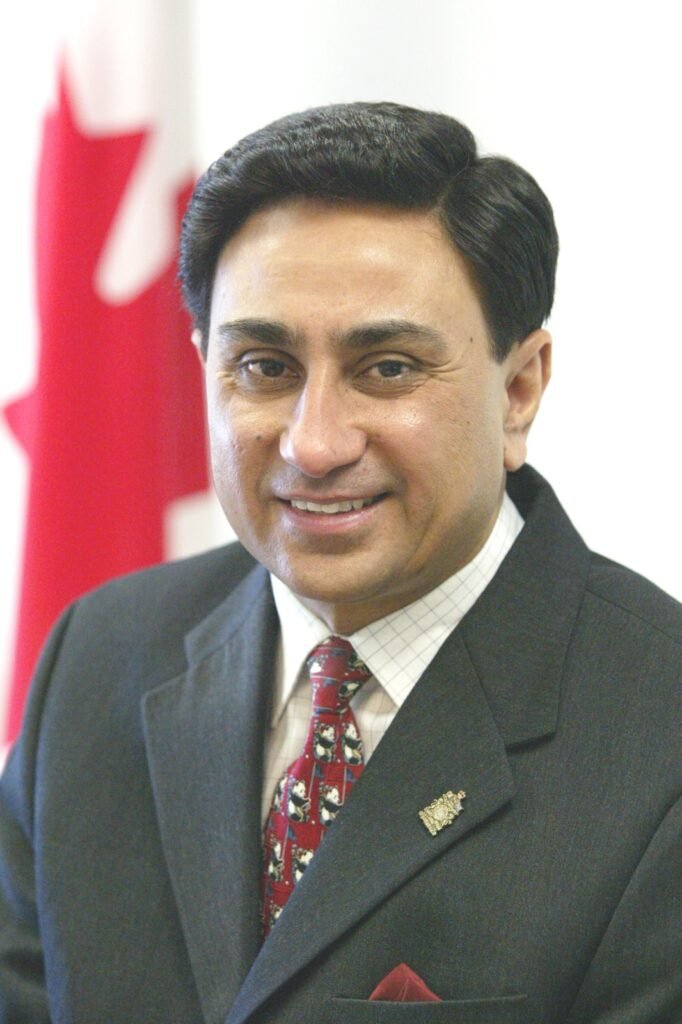
Dr. Gurmant Grewal, M.P.(1997 to 2006)
President
Global Chamber of Commerce and Industry

The Global Chamber of Commerce and Industry Advocates for Prosperity through Sustained Peace

The Global Chamber of Commerce and Industry, under the steadfast leadership of President Gurmant Grewal, a revered former Member of Parliament in Canada, known as “The Ironman of Canadian Parliament”, and a staunch advocate for global peace and prosperity, expresses deep consternation over the escalating violence and humanitarian crisis in Israel and Palestine.

The current conflict has wrought devastating consequences, with the unemployment rate soaring to 46%, exacerbating the humanitarian crisis day by day. Innocent lives, including women and children, are caught in the crossfire, marking a tragic loss of humanity that we vehemently condemn.

Mr. Grewal, with his rich legacy as a Former Deputy Opposition House Leader and Former Shadow Minister for Foreign Affairs, emphasizes the urgent need for sustainable solutions. Promoting small-scale industries and emphasizing startups can be pivotal in reducing unemployment. Providing the younger generation with meaningful employment opportunities is a crucial step towards diverting them away from the paths of violence and terrorism.

Reflecting on a poignant incident from 1998, Mr. Grewal recalls a meeting with Mr. Shimon Peres, the then-President of Israel. Canada, demonstrating its support, had committed significant funding for the resettlement of refugees in Israel. However, concerns were raised regarding the utilization of these funds, emphasizing the prudent and humanitarian use of international aid to foster peace and prosperity.

Historically, entities like Hamas and Gaza, which were once supported by Israel, have unfortunately been embroiled in actions contrary to the principles of peace and humanity. The cycle of violence, where wrongful actions are met with further hostilities, stands as a formidable barrier to the realization of peace and prosperity in the region.

The Global Chamber of Commerce and Industry ardently calls for an immediate cessation of hostilities and advocates for the initiation of peaceful dialogues and negotiations. We urge all parties to commit to solutions that prioritize human lives, foster economic development, and pave the way for enduring peace in the region.

What We’re Working On

NEWS AUG 03, 2023

Submission for the Pre-Budget Consultations in Advance of the 2024 Federal Budget

The Canadian Chamber of Commerce, on behalf of our broader membership of 200,000 Canadian businesses, has submitted our 2024 pre-budget recommendations to the federal government.er membership of 200,000 Canadian businesses, has submitted our 2024 pre-budget recommendations to the federal government.

Unlocking Boundless Opportunities:

WELCOME TO THE GLOBAL CHAMBER OF COMMERCE AND INDUSTRY, WHERE BUSINESSES CONNECT GLOBALLY TO THRIVE LOCALLY

Be part of World’s most activated business network, working together to create the conditions for our collective success.

Subscribe Our Newsletter

Guru Sharan Singh

C.E.O.

Global Chamber of Commerce and Industry

Becoming a member of the Global Chamber of Commerce and Industry (GCOCI) can offer a multitude of benefits to businesses and individuals looking to engage in global trade and expand their international reach. GCOCI, as a global network of chambers of commerce, provides a wide range of services and opportunities to support its members. Here are the detailed benefits of becoming a member of GCOCI:

1. Global Networking Opportunities:
– Access to a Global Network: GCOCI connects members with a vast network of chambers of commerce, business associations, and professionals worldwide. This expansive network opens doors to new markets, potential clients, partners, and collaborators across the globe.
– International Events:   GCOCI organizes international events, conferences, and business forums. These events provide members with opportunities to network with key players in various industries and gain exposure to global business trends.

2. Market Expansion and Trade Support:
– Market Insights:        Members gain access to valuable market intelligence, including market research reports, economic data, and trade statistics. This information is crucial for making informed decisions about entering or expanding into new markets.
– Trade Facilitation:        GCOCI assists members with export-import processes, trade documentation, and compliance with international trade regulations. This support can help streamline global trade operations.
– Trade Missions:             GCOCI often organizes trade missions and business delegations to different countries. These missions enable members to explore new markets, meet potential partners, and identify business opportunities abroad.

3. Business Development and Promotion:
– Business Promotion: Membership typically includes opportunities for members to promote their products and services through the chamber’s publications, website, and events. This increased visibility can attract new clients and customers.
– Marketing and Branding: GCOCI can offer marketing and branding support, helping members build and enhance their global brand image through various channels.

4. Advocacy and Representation:
– Policy Advocacy:            GCOCI engages in advocacy efforts on behalf of its members, addressing issues such as trade policies, regulatory changes, and market access barriers. It ensures that members’ concerns are heard by policymakers at various levels.
– Government Relations: GCOCI helps members establish connections with government agencies, both domestically and internationally, fostering collaboration and providing access to government resources.

5. Educational and Training Resources:
– Workshops and Seminars: GCOCI often hosts workshops, seminars, and training sessions on topics related to international trade, business development, and cross-cultural communication. These resources help members build their knowledge and skills.
– Webinars and E-Learning:   In the digital age, GCOCI may offer webinars and e-learning courses, making education accessible to members worldwide.

6. Cost Savings and Discounts:
– Member Discounts:      GCOCI may negotiate discounts on various business services, such as shipping, insurance, legal services, and travel, providing cost-saving opportunities for members.
– Access to Resources: Members gain access to a wide range of resources, including market reports, business directories, and industry-specific publications.

7. Legal and Regulatory Support:
– Legal Guidance:             GCOCI can offer legal advice and assistance, helping members navigate international business contracts, trade agreements, and intellectual property protection.
– Regulatory Compliance: Staying compliant with international trade regulations is critical. GCOCI provides information and support to ensure that members meet the necessary regulatory requirements.

8. International Trade Certifications:
– Certification Programs:  Some GCOCIs offer certification programs that can enhance members’ credibility in international markets. These certifications may be recognized and respected by partners and clients worldwide.

9. Access to Funding and Grants:
– Grant Opportunities:    GCOCI may facilitate access to grants, funding programs, and financial incentives available for businesses engaged in international trade. These resources can support business expansion and innovation.

10. Peer Support and Learning:
– Peer Networking:             Being part of GCOCI allows members to connect with peers facing similar challenges and opportunities in the global marketplace. Sharing experiences and best practices can be highly valuable.

11. Diplomatic and Cultural Connections:
– Cultural Understanding: GCOCI can provide insights into cultural nuances, etiquette, and practices in different regions. This cultural understanding can be instrumental in building strong international relationships.

12. International Expansion and Investment Opportunities:
– Investment Promotion: GCOCI can facilitate foreign direct investment (FDI) opportunities for members, attracting investment into their home countries or regions.

13. Sustainability and CSR Initiatives:
– Corporate Social Responsibility (CSR):        Some GCOCIs engage in CSR initiatives and sustainable business practices. Membership may provide opportunities for members to participate in such initiatives.

In summary, joining the Global Chamber of Commerce and Industry (GCOCI) offers a comprehensive suite of benefits that can significantly enhance a business’s global presence, competitiveness, and growth prospects. These benefits range from networking opportunities and market expansion support to advocacy, education, cost savings, and much more. Membership in GCOCI can be a strategic investment for businesses looking to thrive in the global marketplace.

Surjit Phull

C.F.O.

Global Chamber of Commerce and Industry

The Global Chamber of Commerce and Industry (GCOCI) plays a critical role in the current global economic scenario, which is characterized by its recovery from the COVID-19 pandemic, technological advancements, and a focus on sustainability. The GCOCI’s functions are multifaceted, addressing various needs and challenges of the international business community. Here’s an in-depth look at these roles:

1. Facilitating International Trade and Investment

  • Trade Promotion:          GCOCI plays a pivotal role in promoting international trade. It helps businesses navigate the complexities of global markets, offering resources and guidance on international trade laws, tariffs, and customs.
  •  
  • Investment Opportunities:             The Chamber assists companies in identifying and capitalizing on investment opportunities abroad. This includes providing insights into emerging markets and sectors ripe for investment.


2. Advocacy and Policy Influence

  • Representing Business Interests:                 GCOCI advocates for policies that foster a favorable business environment. This involves lobbying for trade agreements, regulatory reforms, and policies that support economic growth and stability.
  •  
  • Global Standards and Practices:                      The Chamber works towards harmonizing standards and business practices, which is crucial in a globalized economy with diverse regulatory environments.


3. Supporting Post-Pandemic Economic Recovery

  • Recovery Strategies:     In the wake of the COVID-19 pandemic, GCOCI helps businesses adapt to new economic realities, such as shifts in consumer behavior and supply chain disruptions.
  •  
  • Health and Safety Protocols:                      The Chamber advises businesses on implementing health and safety protocols to ensure safe operations, which is essential for restoring consumer and investor confidence.


4. Addressing Supply Chain Challenges

  • Supply Chain Resilience: GCOCI aids in building more resilient supply chains, helping businesses diversify their supply sources and adopt more flexible logistics strategies.
  •  
  • Technology Integration: The Chamber encourages the adoption of technologies like blockchain and AI for more efficient and transparent supply chains.


5. Promoting Digital Transformation and Innovation

  • Digital Adoption:   GCOCI guides businesses in embracing digital technologies, which is crucial for competitiveness in the digital age.
  •  
  • Innovation Ecosystems: The Chamber fosters innovation by connecting businesses with research institutions, startups, and technology partners.


6. Sustainability and Environmental Responsibility

  • Sustainable Practices: GCOCI plays a significant role in promoting sustainable business practices, recognizing the importance of environmental responsibility in today’s economy.
  •  
  • Green Economy Transition:                   The Chamber supports the transition to a green economy, advising businesses on sustainable energy sources, eco-friendly operations, and green finance.


7. Networking and Knowledge Sharing

  • Global Network: GCOCI offers a platform for networking, allowing businesses to connect, collaborate, and share best practices.
  •  
  • Educational Programs and Events:                      It organizes conferences, webinars, and training programs to keep members informed about the latest trends and issues in global commerce.


8. Supporting Small and Medium Enterprises (SMEs)

  • Capacity Building:     The Chamber is instrumental in helping SMEs build capacity to compete globally, providing them with the tools and resources necessary for growth.
  •  
  • Market Access:      GCOCI assists SMEs in accessing international markets, which is often challenging due to limited resources and knowledge.


Conclusion

In the current global economic landscape, the role of organizations like the GCOCI is more critical than ever. By addressing these diverse areas, the GCOCI not only aids individual businesses in navigating the complexities of the global economy but also contributes to the broader goal of sustainable and inclusive global economic growth.

Exclusive Interview with

Mr. John Paul Manley,

the eighth Deputy Prime Minister of Canada

by our CEO Gurusharan Singh

Introduction of Mr.John Paul Manley :

The Honourable John Manley, P.C., O.C., is a distinguished figure in Canadian politics and beyond, known for his significant contributions both in government and the private sector. As the 8th Deputy Prime Minister of Canada, he has held several high-profile positions, including Minister of Finance, Minister of Foreign Affairs, and Minister of Industry. In the wake of the September 11, 2001 terrorist attacks, Mr. Manley was appointed Chair of the Cabinet Committee on Public Security and Anti-terrorism, earning the title of “2001 Newsmaker of the Year” by TIME Canada. His exemplary service has been recognized with his appointment as an Officer of the Order of Canada, and he has received numerous accolades, including honorary doctorates from six Canadian universities.

A respected leader among the Indigenous communities, Mr. Manley is an honorary chief of the Blood Nation of Alberta. After a distinguished parliamentary career representing Ottawa South from 1988 to 2004, he transitioned to the private sector. He currently serves as the Chairman of TELUS and has held influential roles as the former Chairman of CIBC and CAE. As the President and CEO of the Business Council of Canada, he has been a pivotal figure in shaping economic policies.

In the realm of nonprofit work, Mr. Manley has contributed as a director of CARE Canada and the Rideau Hall Foundation. His expertise in public policy has made him a sought-after media commentator, speaker, and advisor to governments of various political persuasions. He is a Fellow of the CD Howe Institute, the Royal Canadian Geographic Society, and the Institute of Corporate Directors. Moreover, as a founding member of the Wilson Center Global Advisory Council, a past member of the Brookings Institution International Advisory Council, and Chair of the Canadian Global Affairs Institute Advisory Council, Mr. Manley has influenced international discourse on key issues.

Mr. Manley’s academic background is as impressive as his professional journey. He graduated from Carleton University with degrees in mathematics and political science and earned his law degree from the University of Ottawa, where he was the gold medalist. Furthering his legal acumen, he served as a law clerk to the Chief Justice of Canada, showcasing his deep commitment to the legal field and public service.


GCOCI:

Mr. Manley, given your vast experience in both politics and business, how do you perceive the current economic landscape in Canada?

John Manley:

Canada, like many nations, is navigating the complexities of a rapidly changing global economy. While we face challenges such as international trade tensions anaging population, rapid technological change and climate change we must strengthen our institutions and renew our commitment to innovation.

GCOCI:

As the Past-Chairman of CIBC, how do you view the role of banks in bolstering economic growth and resilience?

John Manley:

Banks play a pivotal role. They not only provide the financial support businesses and individuals need but also act as economic barometers, gauging and responding to market shifts. At CIBC, we were constantly adapting to serve our clients better and contribute to Canada’s economic progress. A sound banking system is a necessary ingredient for a country’s economic success.

GCOCI:

You served as the president and CEO of the Business Council of Canada for almost a decade. What were the key economic challenges you focused on during your tenure?

John Manley:

During my time at the Business Council, we prioritized areas like improving Canada’s competitiveness, addressing infrastructure needs, and fostering a regulatory environment conducive to business growth. Collaboration between the private sector and government was vital. We also launched the Business-Higher Education Roundtable (BHER) which brought senior business leaders together with heads of Canada’s colleges and universities with the objective of giving students access to work-integrated learning opportunities.

GCOCI:

With the global economic scenario undergoing rapid shifts, what advice would you give to upcoming entrepreneurs and businesses?

John Manley:

Stay informed, be adaptable, and prioritize innovation. It’s equally essential to build strong relationships both locally and internationally. The world is interconnected, and those connections can provide stability in uncertain times. Every business leader needs to prepare for the unexpected, you can never be complacent.

GCOCI:

You’ve witnessed firsthand the intersection of politics and economics. How do you think governments can better support businesses and economic growth?

John Manley:

Governments can provide an environment that encourages investment and innovation. Clear, consistent policies, a fair tax regime, and a commitment to education and infrastructure are key. Collaborative dialogues with the business community can also lead to better outcomes for all. Government needs to see business as a partner in fostering economic growth. Too often, it seems to me, government is indifferent, even hostile to business. A country can only be prosperous when government and business work together to achieve success.

GCOCI:

As a member of the advisory board of the Leaders’ Debates Commission, how important do you think open dialogue and debates are in shaping a nation’s economic direction?

John Manley:

Open dialogue is paramount. Debates provide a platform for leaders to share their visions and be questioned on them. It offers the public a clearer understanding of economic policies, allowing them to make informed choices, which ultimately shape a nation’s direction.

GCOCI:

Mr. Manley, you’ve been at the helm of both public and private sectors. How do you bridge the often-perceived gap between government regulations and business aspirations?

John Manley:

The key is communication and understanding. It’s crucial for governments to understand the on-the-ground challenges businesses face, and conversely, businesses must appreciate the broader goals of public policy. Regular consultations, roundtables, and open forums can create a symbiotic relationship where both sectors can thrive. Regulation is essential of course. But it should be calibrated to achieve the desired outcome without undue complexity and delay.

GCOCI:

Given the increasing emphasis on digital transformation, how do you see traditional banking adapting to these changes, especially at an institution like CIBC?

John Manley:

Digital transformation isn’t just a trend; it’s the future. CIBC, like many financial institutions, is investing heavily in technology to enhance customer experience, streamline operations, and ensure security. Traditional banking needs to view digital not as a competitor but as an enabler. Today, a bank is more than a financial institution. Every bank is a technology company whose clients expect reliability 24/7/365.

GCOCI:

With Canada being a pivotal player in international trade, how do you view its role in the shifting dynamics, especially with emerging markets?

John Manley:

Canada has always been a trading nation. As dynamics shift, our role is to adapt and seize new opportunities, especially with emerging markets that are becoming economic powerhouses. It’s about diversifying our partnerships while reinforcing existing ones, and ensuring our trade policies are flexible and forward-looking. We also need to be pragmatic in dealing with countries that may not share all of our values and attitudes. We cannot hope to remake the world in our image. But we must engage with it – something Canada has been able to do successfully in the past.

GCOCI:

You’ve had a front-row seat to economic policy-making. How do you believe economic policies should evolve to address growing concerns about climate change and sustainability?

John Manley:

Economic policies must integrate environmental considerations. It’s not just about growth but sustainable growth. This means investing in green technologies, incentivising businesses to adopt sustainable practices, and ensuring that our economic aspirations align with our environmental commitments. It’s a balance, but one that is crucial for our future.

GCOCI:

In your time with the Business Council of Canada, what initiatives were you most proud of that aimed to foster Canadian competitiveness on the global stage?

John Manley:

One of the initiatives I’m most proud of was our emphasis on talent. I mentioned BHER earlier, but we also advocated for education and skills training, recognising that our human capital is our greatest asset. We also pushed for regulatory reforms and infrastructure investments, ensuring Canada remains an attractive destination for global investors.

GCOCI:

Lastly, with so much global economic uncertainty, from geopolitical tensions to pandemics, how can businesses better prepare themselves for unforeseen challenges?

John Manley:

Resilience is built on adaptability and diversification. Businesses should not over-rely on a single market or supply chain. Investing in technology and innovation, fostering a culture of continuous learning, and having contingency plans in place are all vital. Challenges are inevitable, but with adequate foresight and preparation, they can be navigated effectively.